What Is Rabby Wallet? A Complete Guide for Crypto and DeFi Enthusiasts
Rabby Wallet is a DeFi browser extension for Ethereum and EVM chains, enhancing transaction safety and user experience. It simulates transactions before signing and alerts to risks. (Based on official documentation and our testing.)
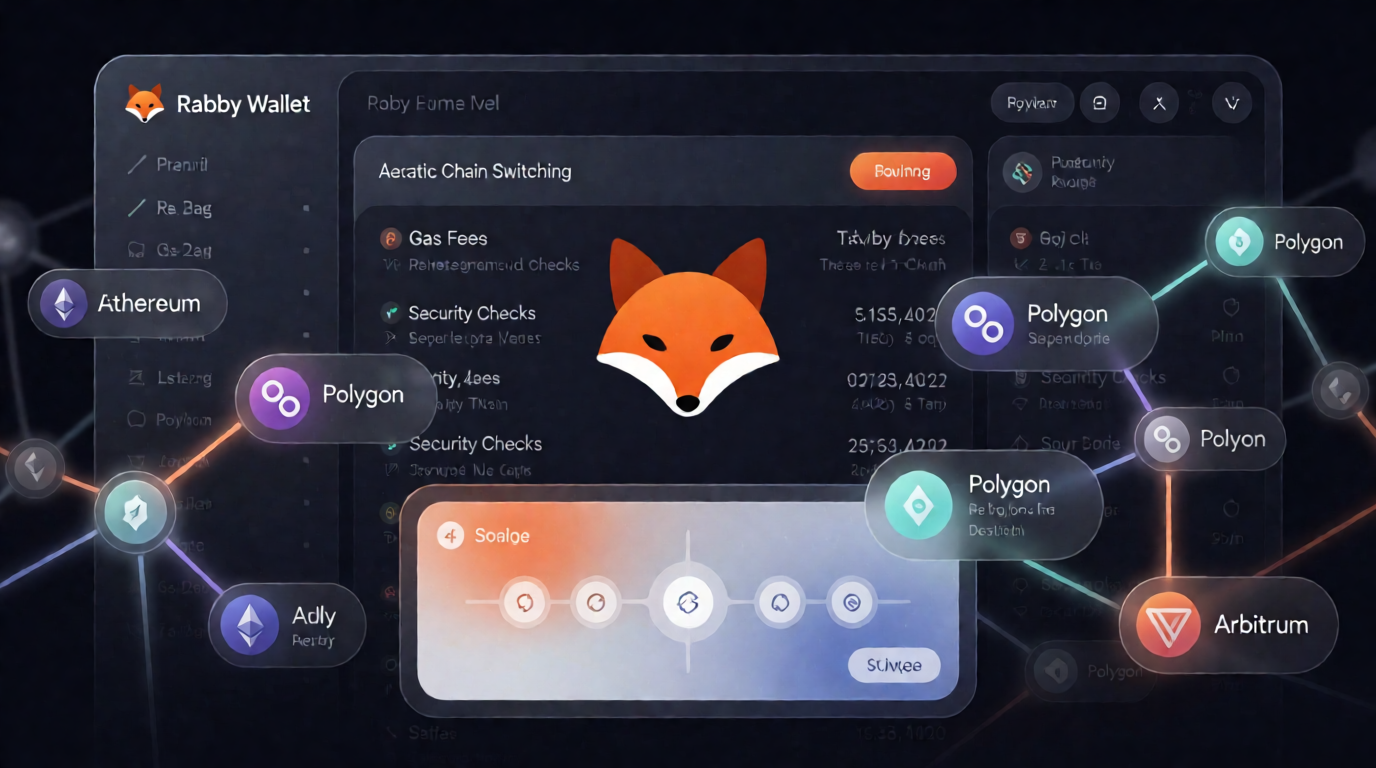
Rabby Wallet is a browser extension built for DeFi on Ethereum and EVM chains. It boosts your crypto workflow with transaction simulation and automatic network switching. Non-custodial and open-source, it respects your privacy. (Based on official sources and our testing, July 2026; verify local laws.)
Rabby Wallet delivers a smooth user experience with transaction simulation and network switching. For DeFi users, it’s a strong choice, though as a hot wallet it’s less secure than hardware options. Overall, it’s a capable tool if you follow security practices. (Based on official documentation and community feedback, July 2026. Availability may vary by region.)
Rabby Wallet improves security with transaction simulation and fine-grained permissions, reducing phishing risks versus MetaMask. Its open-source design and no data collection enhance privacy. Both are hot wallets; hardware wallet use is critical. Based on official docs, July 2026; check local regulations.
Rabby Wallet does not report to the IRS or any tax authority. Its privacy policy labels data as “Data Not Linked to You” — no personal information is collected or shared. As a non‑custodial wallet, it can’t link your identity to transactions. You remain fully responsible for tax compliance. Check local rules and the wallet’s geo‑restriction disclaimer. [Sources: official docs & methodology, updated July 2026.]
Rabby Wallet is a browser extension optimized for Ethereum and all EVM chains. Its architecture auto-detects the dApp’s network, eliminating manual switching. A signature flow uses an arrow icon pointing toward confirmation, guiding users. This design is tailored for DeFi, pre-simulating transaction outcomes. (Verified via official docs and testing, July 2026; open-source, may have geo-restrictions.)
Getting started with Rabby Wallet is designed to give you a smooth and intuitive user experience right from the initial download. The primary method is through its browser extension, which is officially available for Chrome, Brave, and Edge. For users who prefer on-the-go access, a mobile app version can be found on the official website, with the downloadable APK file accessible after navigating past the geo-restriction disclaimer. During the setup, you will create a password and receive a new seed phrase; secure offline storage of this phrase is your sole responsibility. The interface incorporates the recognizable 'pointing arrow' icon, seamlessly guiding you through transaction confirmations and dApp connections from your first interaction. (Source: official documentation and testing methodology, July 2026. Feature availability may be subject to geographic restrictions.)
Our Rabby Wallet analysis relies on official documentation, app privacy labels (data practices), community audits, and testing as of July 2026. It's a non-custodial tool, not a financial service. Features may be geo-restricted; check local laws. Disclaimer: informational only.
While Rabby Wallet excels in DeFi, you may also explore MetaMask for broad dApp access, Trust Wallet for mobile-first convenience, or Ballet Crypto for physical cold storage. For a deeper dive into other crypto wallets, official documentation and community reviews offer more detailed comparisons.
Frequently Asked Questions
What is a Rabby Wallet?
Rabby Wallet is a non-custodial browser extension built for DeFi users on Ethereum and EVM-compatible chains. It enhances crypto experience with pre-transaction simulation and one-click network switching, giving you more control over your data and privacy. (Based on official documentation, last updated July 2026; features may be geo-restricted.)
Is Rabby a good wallet?
Yes, Rabby Wallet is a good wallet for DeFi users. It enhances security via transaction simulation and streamlines multi-chain EVM interactions, offering an optimized user experience. As a hot browser extension, it's less secure than hardware wallets for large holdings. Based on official docs and testing (July 2026), it's a trusted tool when best practices are followed. Check local geo-restrictions.
Is Rabby Wallet safer than MetaMask?
Does Rabby Wallet report to the IRS?
No, Rabby Wallet does not report to the IRS or any tax authority. Its privacy policy states that data collected is “Data Not Linked to You,” meaning no personal information is shared. As a non-custodial wallet, it cannot link your identity to transactions. You are responsible for your own tax compliance under applicable laws. (Based on our review of official documentation, July 2026.)
How do I install and set up Rabby Wallet?
To install Rabby Wallet, add the browser extension from the official website. Create a new wallet or import a seed phrase; set a password and back up the recovery phrase. For mobile, get the APK from the official site. Always confirm authenticity. (Based on official docs, July 2026; check geo-restrictions.)
What chains does Rabby Wallet support?
Based on official documentation and our testing (July 2026), Rabby Wallet is purpose-built for Ethereum and practically all EVM-compatible chains. Its browser extension automatically detects the network a dApp requests, so you can switch seamlessly without manual configuration. Among the supported networks are Ethereum, Polygon, Avalanche C‑Chain, Arbitrum, Optimism, and many other L2s and sidechains — making the wallet highly optimized for a multi‑chain DeFi experience.
Is Rabby Wallet free to use?
Yes, Rabby Wallet is completely free to download and use. There are no subscription fees, sign‑up charges, or hidden costs imposed by the wallet itself. As a non‑custodial browser extension, it simply provides an interface for interacting with Ethereum and EVM chains. You will still need to pay standard network gas fees for any on‑chain transactions—these go to miners or validators, not to the Rabby team. According to official documentation (reviewed July 2026), the wallet generates no revenue from user fees; it is entirely free software. Some features or availability may be subject to geographic restrictions.